

My name is Philipp, and I am truly excited to join the DPLP Program in Fall 2026, during which I will spend my exchange semester at Insper University in São Paulo. I chose Insper, and Brazil more broadly, because of its strong international outlook and the excellent reputation Insper holds as one of Brazil’s leading institutions in economics, business, and technology.
What fascinates me most about the DPLP Program is its unique combination of academic research and hands‑on exposure to real‑world challenges related to data processing and international data flows. The opportunity to work with large sets of digitalized healthcare data is particularly appealing to me, as it connects rigorous analytical work with meaningful societal impact.
In my free time, I enjoy participating in a student‑led consultancy and I am passionate about fencing. I am also very much looking forward to exploring Brazil and South America; discovering new cultures, meeting people from different backgrounds, and experiencing the region’s incredible diversity.

I am a student at the University of St.Gallen and bring a deep fascination for other cultures and international perspectives. From an early age, I have been intrigued by the question of how different social and political contexts shape the way technology is developed and used, and vice versa. This curiosity drives me to look beyond my own horizon and build connections between countries, ideas and people.
Participating in the Digital Policy Leadership Program is a special opportunity for me to deepen this interest in an international setting. I look forward to working alongside fellow students from Brazil and Switzerland at the intersection of technology, politics and society, growing not only academically but also as a person.
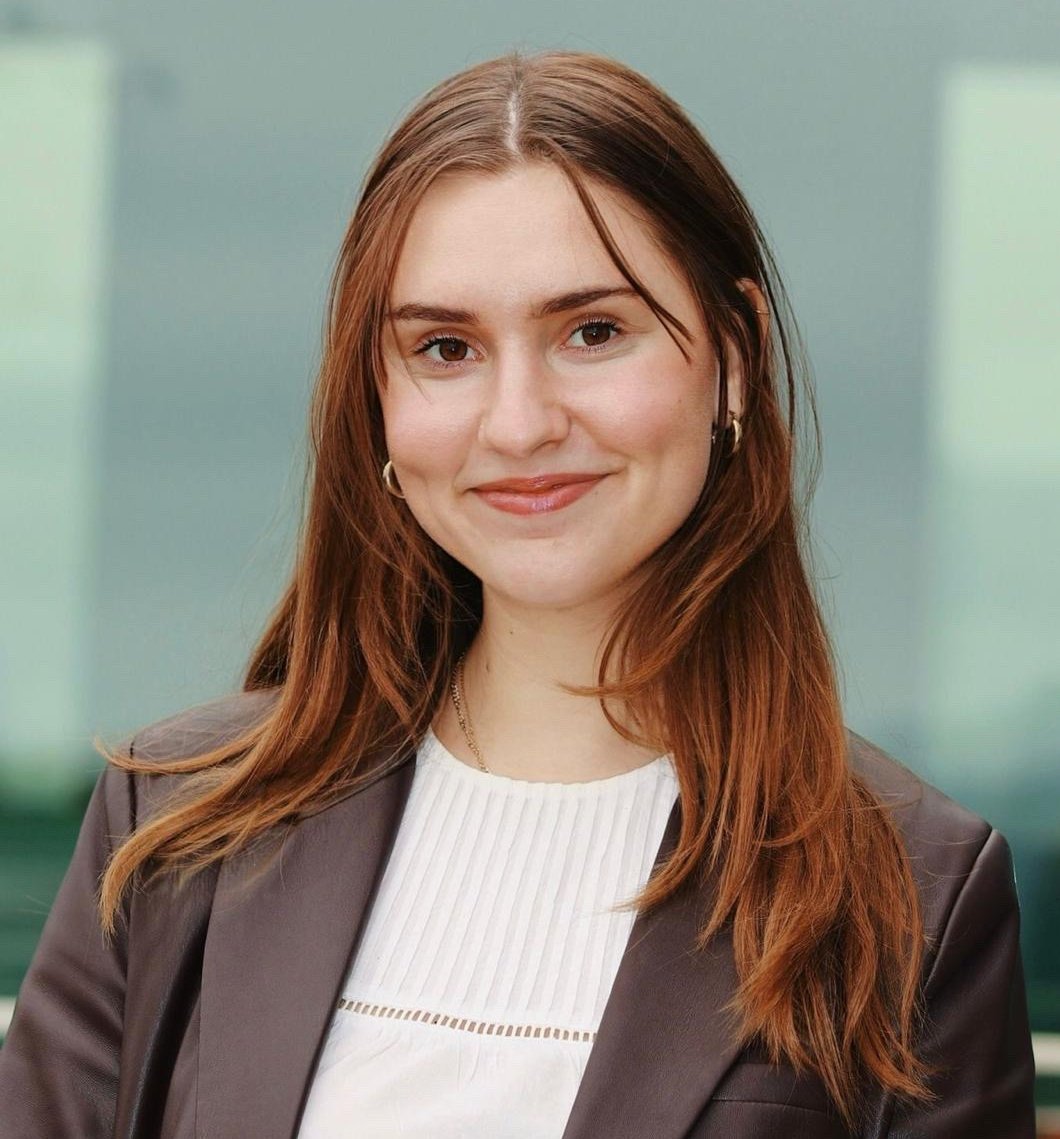
I'm currently pursuing a Bachelor's degree in International Affairs at the University of St.Gallen (HSG). What I enjoy most about my studies is exploring complex global challenges from different perspectives and understanding how political, economic, and social factors interact. Alongside my degree, I'm completing a Certificate Programme in Integrative Sustainability Management (SuM-HSG), where I have developed a strong interest in sustainability, systems thinking, and the long-term impact of policy decisions. I'm particularly interested in questions that cross traditional disciplinary boundaries and require international cooperation. Through the Digital Policy Leadership Program, I hope to gain a better understanding of how technological developments are shaping societies around the world and how policy can respond to these changes. I'm especially excited about the opportunity to study in Brazil, learn from a different context, and engage with students and researchers from diverse backgrounds.
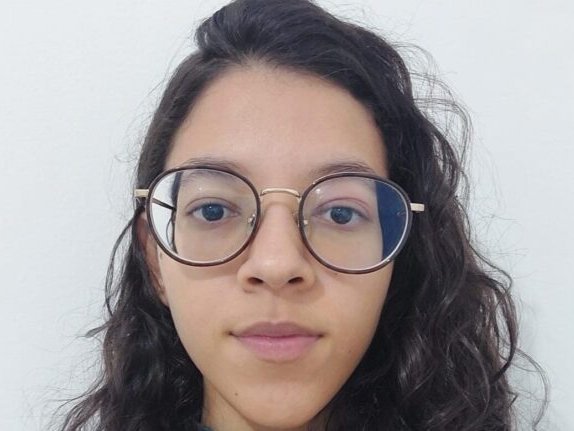
I’m originally from Juazeiro do Norte and currently a scholarship student in Computer Engineering at Insper, in São Paulo. During my undergraduate studies, I have worked with education, artificial intelligence, and bioengineering. I’ve always been interested in multiple fields, and I’ve participated in educational projects since high school, as I believe education has a great impact on society. I’m really excited to be part of DPLP and to learn from both peers and mentors. Through the program, I hope to engage in research and broaden my perspective on how to use technology ethically to benefit diverse groups in society. I’m also eager to gain experience in the academic world, which I consider a potential career path. In addition, I want to develop leadership skills so I can inspire others.
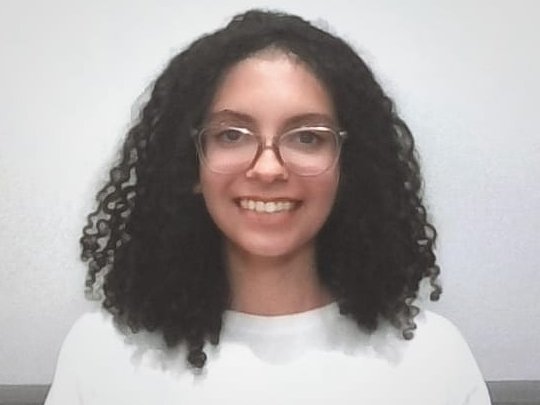
Ellen is passionate about the intersection of technology and social impact. She is a full scholarship student in Computer Engineering at Insper who completed her earlier education in public Brazilian institutions, experiencing firsthand the challenges of the country’s educational system. She has contributed to the academic community as a teaching assistant for courses such as Web Technologies and Grand Challenges of Engineering. Through the DPLP, Ellen aims to deepen her understanding of the sociology of technology and information while immersing herself in a new innovative culture to further enhance her problem-solving and creativity skills.
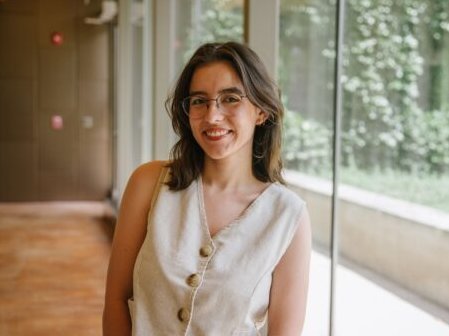
Isabela is a first-generation and full-scholarship undergraduate student at Insper. With a major in Economics, she has experience as a research assistant at Insper’s Center of Finance and Macroeconomics and has recently finished an internship at the Center of Economics of the Human Development at the UChicago, thanks to the Summer Institute in Social Research Methods.
Her interests lay on the intersection of data science applied to economics, spending her free time as a Project Manager at InsperData, a data analysis college club. Although her background with social projects, being benefited from NGOs such as ISMART and Colégio Embraer, she has taken her time to explore all possibilities of Economic Research, from political science to stock market, until she commits to a single knowledge area. Her main goal is become not only the first Economist of her family, but also the first PhD.

I am a full scholarship Law student at INSPER, passionate about the intersection between law and technology. I am currently researching technological contracts and data protection, driven by an interest in how innovation challenges traditional legal frameworks. I enjoy exploring how insights from different fields such as technology, ethics, and policy can enrich legal thinking and practice. Through the DPLP, I hope to broaden my international perspective, connect with diverse people, and contribute while learning from others.

Théo Gauthier is currently pursuing a Bachelor’s in Business Administration at the University of St.Gallen, with a focus on entrepreneurship, strategic management, and technology integration. In addition to his academic pursuits, he is expanding his knowledge in cybersecurity and international relations. His passion for innovation stems from his love for the ocean as a sailor and his deep interest in technology. After spending a semester in Korea, Théo is excited to embrace the challenges of the Digital Policy Leadership Program. He is looking forward to learning about this environment, and he is certain that this experience will broaden his perspective and open new horizons.

I am a Business Administration student at the University of St.Gallen, with a passion for finance and an interest in understanding complex systems. My approach to work builds upon detailed analysis and a focus on delivering results under pressure. I find deep engagement when diving into projects and addressing complex problems. Working in teams is also a source of energy and performance for me, as I enjoy collaborating with people. Outside of my academic pursuits, I am dedicated to sports, including running, calisthenics, and surfing. I am particularly interested in the DPLP to gain a deeper understanding of digital policy and leadership, recognizing its high relevance and the opportunity it presents to create impact.
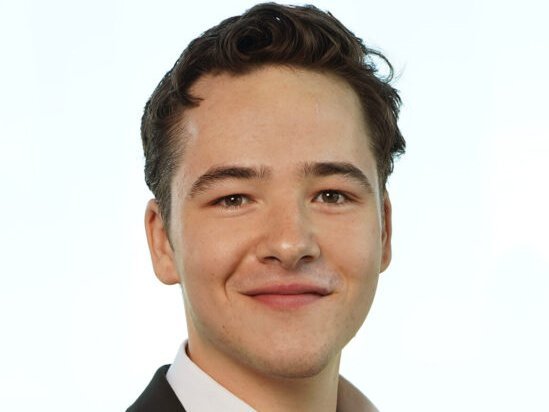
My name is Felix, I’m 22 years old, and currently enrolled in an Economics major at the University of St.Gallen. Outside of my studies, I’m actively involved in the university’s club scene — in particular, I organize and produce plays with our student theatre club.
When I’m not on campus, you’ll most likely find me doing sports — my favourites are running and swimming — or reading a good book.
My two most distinguishing characteristics are probably my spontaneity and creative sense of humour.
I chose São Paulo for my exchange semester because it gives me the opportunity to explore a new continent, experience Brazil’s vibrant culture, and, of course, work on research during my stay there!

As a German-Brazilian student in my 4th semester at the University of St.Gallen, I am thrilled to be part of the Digital Policy Leadership Program. Having spent part of my early education in Brazil, I feel a strong personal connection to its culture and people. My upcoming exchange semester at Insper São Paulo offers a unique opportunity to deepen this connection and engage with Brazil’s academic, political, and economic landscape. I am especially looking forward to interacting directly with local students and making the most of the diverse opportunities the DPLP provides—both of which I believe will significantly broaden my perspective and enrich my academic and professional path. I hope to critically explore and debate the complex trade-off between fostering entrepreneurial freedom and ensuring the responsible, ethical application of emerging technologies in a dynamic policy environment.
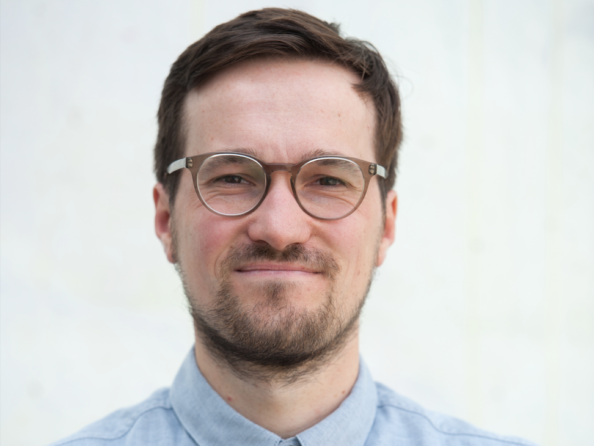
Dr. Clemens Stachl is an Associate Professor, Director at the Institute of Behavioral Science and Technology at the University of St.Gallen, Switzerland, earned his PhD in Psychology and Statistics from Ludwig-Maximilians University Munich (LMU), Germany. Before assuming his faculty position in Switzerland, he held postdoctoral positions at LMU and at Stanford University, USA. His research analyses human behaviour using digital tools and environments, exploring how digital footprints reveal psychological traits, states, and business outcomes. By integrating traditional methods with large-scale data, his work offers insights into how technology can inform human psychology and decision making at individual and societal levels.
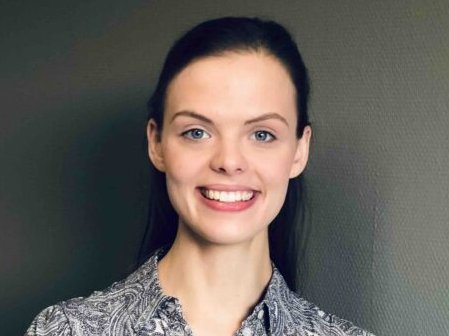
Dr. Luise Koch is a researcher at the TUM School of Social Sciences and Technology at the Technical University of Munich. Her work sits at the intersection of digital policy, gender studies, and computational social science, with a focus on technology-facilitated gender-based violence and its implications for democratic participation and online governance. She combines mixed-methods research, including large-scale social media analysis and primary data collection, to study how digital environments shape inclusion and exclusion in political discourse. Her research has been published in journals such as Information, Communication & Society and Trauma, Violence, & Abuse, and spans collaborations across Europe, Latin America, and South Asia.

Dr. Thorsten Busch is a Senior Lecturer at the ZHAW Center for Sustainability Leadership and a Lecturer at the University of St.Gallen. In recent years, Thorsten has been teaching game studies, business ethics, corporate responsibility and sustainability, critical thinking, tech ethics, responsible innovation, and digital marketing ethics at the Zurich University of Applied Sciences (ZHAW), the University of St.Gallen (CH), Trinity Business School (IE), and HEC Montréal (CA). Before that, Thorsten was a Postdoctoral Fellow in game studies at Concordia University in Montréal (CA), a Visiting Assistant Professor in corporate social responsibility at the University of Konstanz (DE), and a Senior Research Fellow in data ethics at the University of St.Gallen. He holds a Ph.D. in organizational studies and cultural theory from the University of St.Gallen and an M.A. in political science, economics and management from the University of Oldenburg (DE).

Angela is Executive Director of AlgorithmWatch CH in Zurich and Executive Board Member of AlgorithmWatch in Berlin. Before, she led the Policy Team at AlgorithmWatch for four years. She is responsible for the overall strategy of the organization and especially for its work in the fields of policy and investigations. Angela has testified as an expert before the Council of Europe, the German Bundestag and the Swiss Parliament, and was appointed as one of “100 Women in AI Ethics” worldwide in 2024. She is a member of expert working groups of the Swiss Federal Administration and – next to her role at AlgorithmWatch – of the Federal Media Commission. Angela studied political philosophy and ethics and holds a PhD in Law from the University of Zurich, where her research focused on the cross-border applicability of human rights law in the context of globalization and new technologies. She was a visiting researcher at Columbia University, New York, and Hebrew University, Jerusalem.
Prior to her current role, she held positions at different universities, for an innovation platform, a civil society think tank on foreign policy, and the Swiss Foreign Ministry.
Dr. Bruno Rodrigues is an Assistant Professor of Embedded Sensing Systems at the Institute of Computer Science in Vorarlberg (ICV), University of St.Gallen (HSG). He earned his PhD in Computer Science from the University of Zürich in 2020, where he also worked as a postdoctoral researcher until 2023, focusing on passive wireless sensing technologies. His research bridges the theoretical and practical aspects of sensors, with a focus on communication protocols and their tradeoffs in terms of performance, efficiency, and security in various real-world applications.
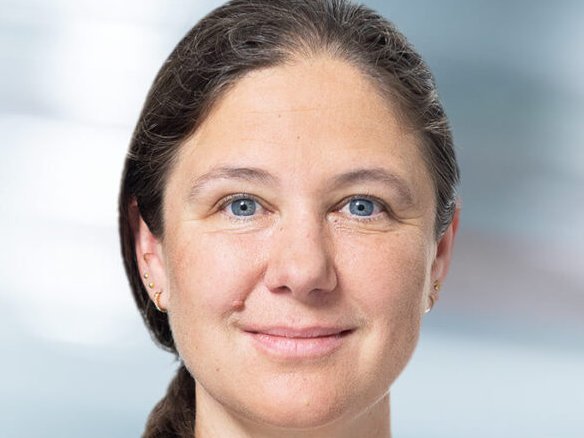
Janna Hastings is Assistant Professor of Medical Knowledge and Decision Support at the Institute for Implementation Science in Health Care, Faculty of Medicine, University of Zurich, and Vice-Director of the School of Medicine at the University of St.Gallen. She holds a PhD in Computational Biology from the University of Cambridge (2019) and Masters in both Computer Science (2011) and Philosophy (2012). Her interdisciplinary research explores how advanced computational approaches can advance medical research and support clinical practice, with a particular focus on how new, powerful and multi-modal approaches to artificial intelligence can be applied to a wide range of clinical use cases and how such approaches can be made more effective, generalisable and interpretable.
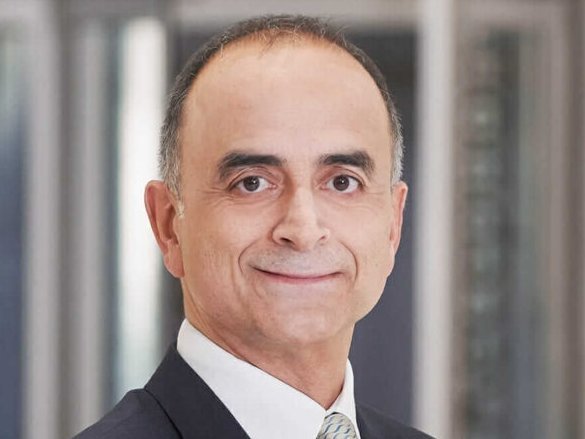
Bruno Mascello is Adjunct Professor of Business Law and Legal Management and Academic Director at the Executive School of Management, Technology and Law (ES-HSG) at the University of St.Gallen, where he is also responsible for the continuing education programs Executive Master Management & Law (EM ML-HSG) and Management for the Legal Profession (MLP-HSG). He also teaches at the University of St.Gallen and its Executive School and researches and publishes in the field of legal management. Finally, he also works as an attorney and consultant.

Graziela has been in the technology market for 19 years, taking on diverse roles. After working as a project manager, she transitioned to a consultant role. She focuses on implementing agile methodologies and software engineering practices, as well as organizing teams, processes, and KPIs. Additionally, Graziela dedicates her time to teaching workshops and delivering talks at companies, events, and universities in Brazil and abroad.
She holds a Ph.D. in Computer Science and has received the US IBM World Award and the Women of Value Award. Graziela is the Director of the Computer Engineering Program and a Professor in the Engineering and Computer Science Program at Insper Institution. She began her academic career by teaching specific classes in postgraduate programs within the technology field. Later, she became a professor at the Federal University, where she served for eight years. After reaching the associate level, she transitioned to Insper, where she has been for nearly three years.
Throughout her 11 years of teaching, she has consistently taught courses in agile methodologies and has been continuously testing and evolving various teaching approaches, educating thousands of students.
Graziela has also taken intentional initiatives to increase the representation of women in technology and improve the overall environment to ensure their persistence in their careers. In addition to her professional work, Graziela actively mentors and contributes to various national entrepreneurship and innovation programs, including Inovativa Brasil.